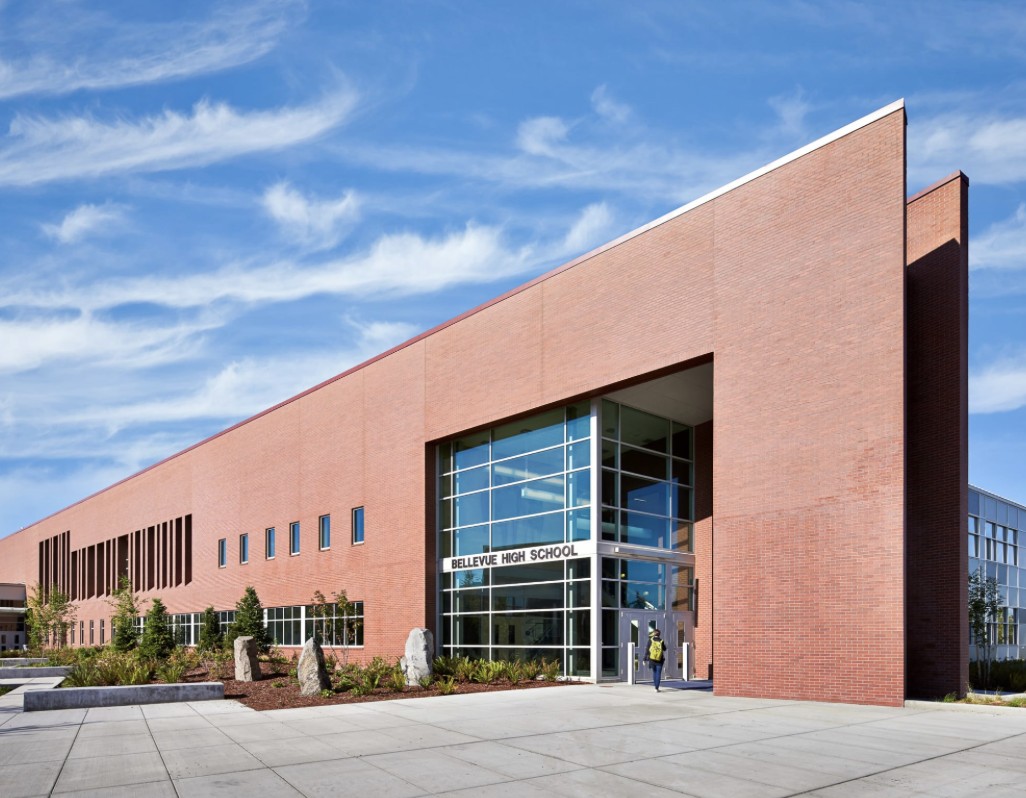

The Bellevue School District is no longer under binding conditions. The Office of Superintendent of Public Instruction (OSPI) released the district from the state financial oversight agreement, according to a district announcement on Nov. 16. The district had operated under the agreement for 16 months.
The district entered binding conditions in July 2025 after finishing the 2024–25 fiscal year with a fund balance of about negative $700,000. By the end of the 2025–26 school year, it had restored $24 million to its reserves. That brings it close to the 5% fund balance required by School Board policy.
“We are proud of the hard work we have done to stabilize our budget and exit binding conditions,” said Superintendent Dr. Kelly Aramaki.

How the District Got Here
Financial pressure had been building for years. At the Aug. 7, 2025 School Board meeting, Aramaki said the district had spent more than it took in every year since 2018. Since the COVID-19 pandemic, the gap had been about $10 million a year, and reserves had dropped below the board’s 5% minimum. Earlier rounds of cuts had already closed two elementary schools, consolidated operations and reduced central office staff.
In February 2025, the district announced a plan to cut $20 million from its 2025–26 budget. The plan was expected to eliminate 150 to 170 positions, about 7% of the workforce. The district held more than 50 listening sessions and ran a community survey. In March 2025, it released final revisions based on that feedback.
Under binding conditions, the district could use proceeds from surplus property sales to rebuild its reserves. In summer 2025, the board approved selling $30 million in surplus property, with the transaction expected to close by spring 2027.

What Drove the Recovery
The district says it cut more than $20 million in spending during 2025–26 without eliminating programs. Staffing was reduced significantly at schools and at the district office. The district also added new financial controls:
- Monthly School Board budget study sessions
- Tighter controls on spending and positions
- A new Audit and Finance Advisory Committee
Enrollment also helped. The district launched dual language programs in Arabic, Korean and Japanese, plus a homeschool partnership connected to the state’s digital school. Revenue grew from higher special education funding, higher local levy collections, better collection of state safety-net funds and recent legislative changes. Most departments also spent less than they had budgeted.
The School Board was named a 2026 Board of Distinction by the Washington State School Directors’ Association.
“We are excited by our improved financial status; however, we recognize that maintaining healthy financial reserves will require continued vigilance,” said School Board President Phil Bloch. “One key to our financial recovery has been stabilizing enrollment by attracting students to innovative programs and by producing strong academic outcomes.”
Deficits Still Projected
The district’s four-year forecast still shows ongoing deficits. The cost of maintaining current services is rising faster than state revenue. Aramaki said that “just to maintain current class sizes and support services, additional budget and staffing cuts are projected every subsequent year for the foreseeable future.”
“We strongly urge the state to address the rising costs of simply maintaining education, fully fund unfunded mandates such as special education, substitutes and transportation for students experiencing homelessness, fully fund utilities and insurance, and provide sustainable Local Effort Assistance for districts with lower property values,” Aramaki said.
The district also says local levies can’t make up for inadequate state funding. Bellevue has more levy capacity than many communities, while districts with lower property values rely on Local Effort Assistance.
The district is also pointing state policymakers to a University of Washington SUPES report co-written by Aramaki. The report includes eight policy recommendations from Washington superintendents. More detail on the recovery is in the superintendent’s blog post.