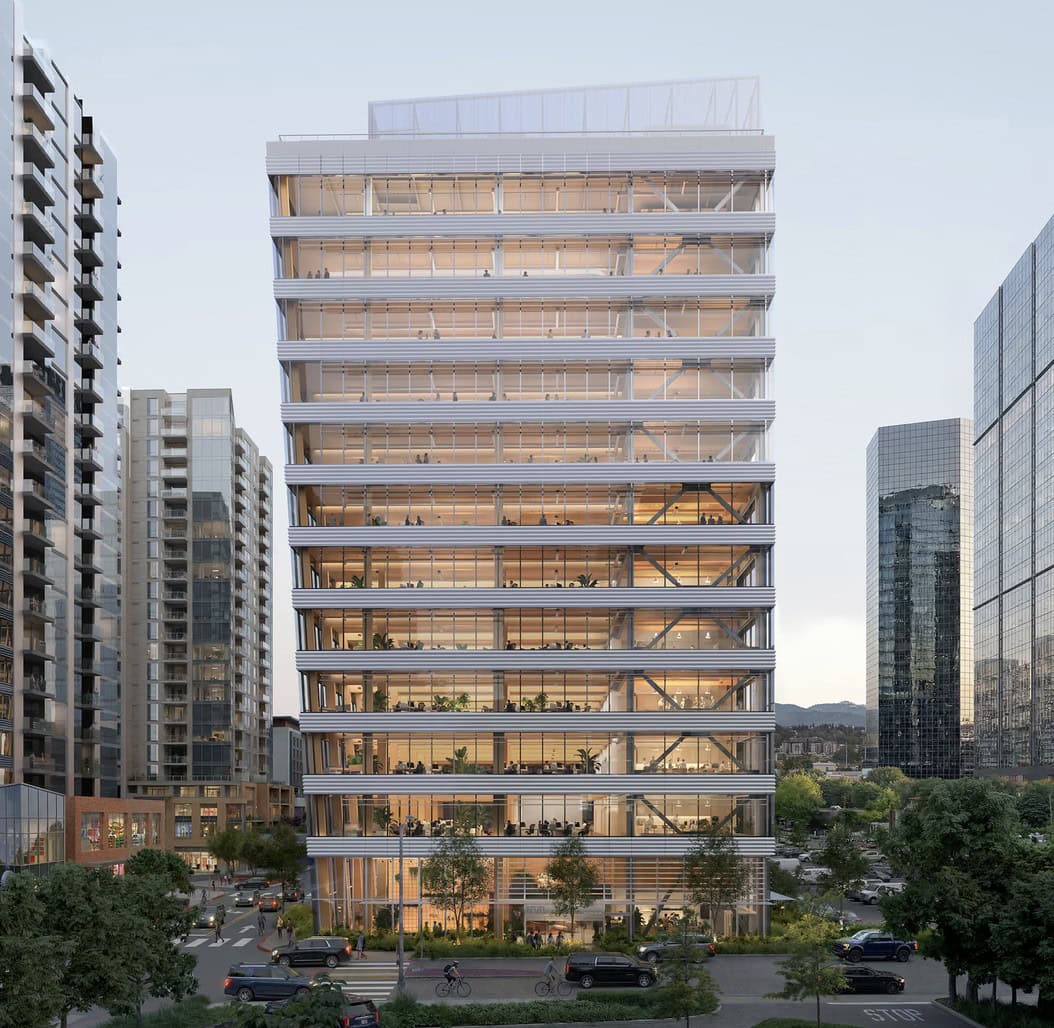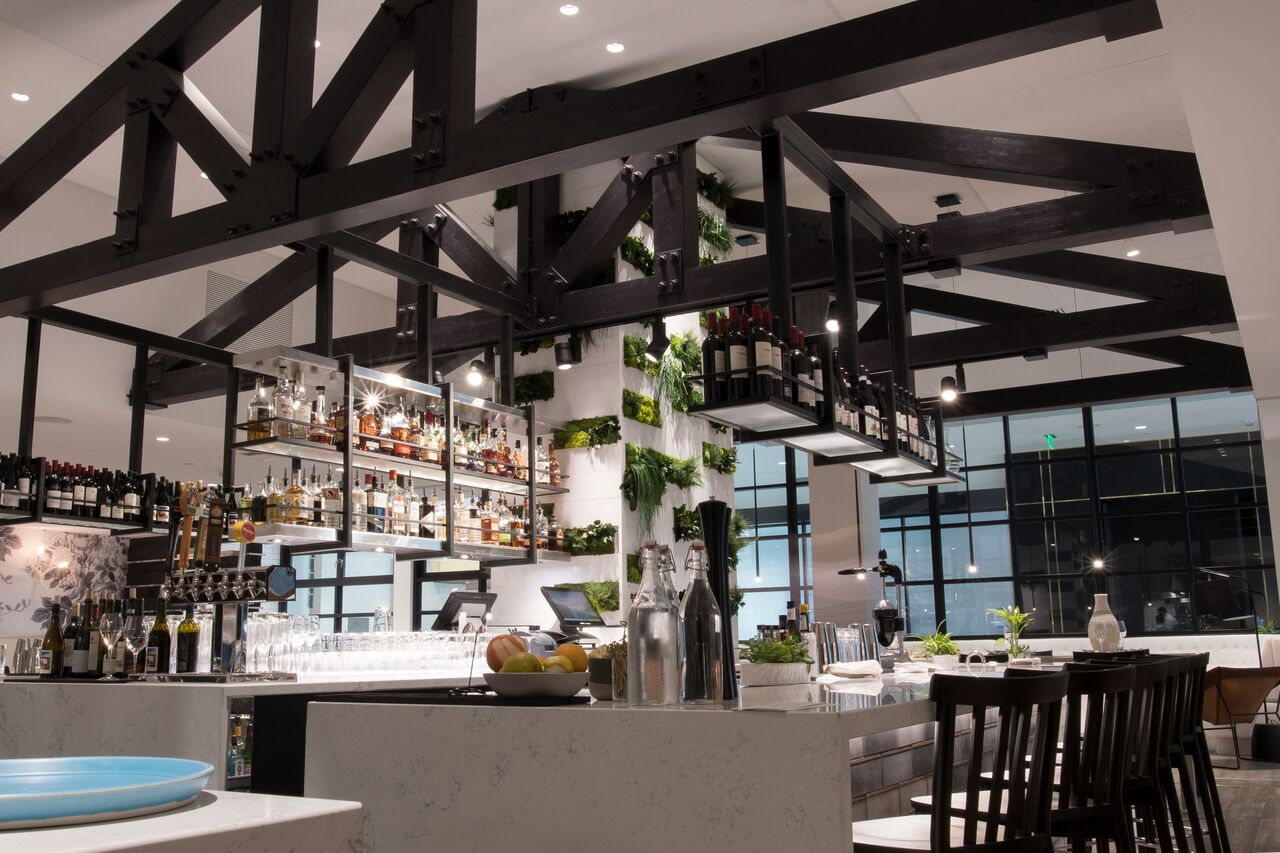

Bellevue landed a spot in a national travel roundup from Reader’s Digest, naming it the recommended day trip for soccer fans attending FIFA World Cup 2026™ matches in Seattle. The tournament wrapped up July 19, and the national exposure lines up with the tourism impact figures, Visit Bellevue Washington, released earlier this month.
Reader’s Digest published the piece, titled “The Best Day Trips from Every World Cup City in the U.S.,” as the tournament was getting underway in June, recommending the best day trips from every World Cup city in the country. The 2026 FIFA World Cup ran from June 11 through July 19, closing with the final at MetLife Stadium in New Jersey.
The article walks through all 11 U.S. host cities and pairs each one with a nearby detour for fans looking to fill time between matches.

Why Bellevue Made the List
Of the cities profiled, Seattle’s paired recommendation was Bellevue, cited for its proximity and easy access. The article points to the Crosslake Connection light rail, which links the Seattle Stadium District to the Eastside in about 20 minutes, as well as a roughly 15- to 25-minute drive covering the same 10 miles. That accessibility, the piece notes, makes Bellevue a convenient stop for fans leaving a match with an appetite.
To guide visitors, the article directs readers to Bellevue’s Acclaimed Culinary Trail, a curated guide to the city’s dining scene, and calls out several specific stops:
The Lakehouse, the farm-to-table Pacific Northwest restaurant helmed by James Beard Award winner Jason Wilson, was highlighted as a signature stop on the trail.

La Mar Bellevue, run by chef Kaoru Chang, earned a mention for its Peruvian-inspired menu with local touches.
Farzi Café, recognized in the Michelin guide, was cited for its pan-Indian plates, while Baron’s Sino Kitchen & Bar drew attention for its Peking duck, a dish the restaurant notes requires 24 hours’ advance notice to prepare.
The roundup also pointed fans toward Bellevue Brewing Company, which marked the tournament with a limited-edition beer called the Bellevue Baller, brewed with grain from Canada, corn from Mexico, and hops from the United States — a nod to the three nations that co-hosted the 2026 World Cup.
How the Other Host Cities Fared
Bellevue wasn’t the only detour destination featured. Reader’s Digest matched each of the tournament’s U.S. host cities with a nearby getaway, from wine country and mountain-biking trails to horse-racing towns and historic battlefields. Boston fans, for instance, were pointed toward Newport, Rhode Island, while Los Angeles was paired with the harbor town of Newport Beach, California.
A Recap: What Visit Bellevue’s Numbers Showed
The Reader’s Digest exposure lines up with tourism data the city had been tracking since well before the tournament began. When Seattle was confirmed as a host city, Bellevue positioned itself to capture a share of the regional economic activity, contracting the Bellevue Downtown Association, Visit Bellevue Washington, the BelRed Arts District, and the Spring District Authority to run community programming, with additional backing from the city’s Community Programming Fund.
Watch parties and match-day events were planned around Bellevue’s light rail stations, and organizers projected that around 15,000 overnight visitors would pass through the city during the tournament.
Visit Bellevue Washington’s preliminary figures pointed to gains concentrated in hotel pricing and revenue rather than occupancy. During the stretches immediately before and after Seattle’s matches, Bellevue’s hotel occupancy rose about 1%, while average daily room rates climbed approximately 14.2% and total hotel revenue increased close to 16%.
The city’s share of King County’s overall lodging activity grew to an estimated 13%, suggesting Bellevue captured a larger portion of regional visitor demand than it typically would during that stretch of summer.
Visit Bellevue’s tourism impact model put total World Cup-related hotel room nights at approximately 14,500, a figure that includes fans, traveling teams, staff, media, sponsors, and event operators tied to the tournament. Of that total, the model estimated about 17,600 long-haul visitors came to Bellevue specifically because of the World Cup. Combined, that visitor and group activity was estimated to have generated $12.5 million in overnight visitor economic impact for the city.
The estimates were based on lodging and visitor data rather than final totals. A fuller accounting of non-lodging spending, covering restaurants, retailers, and attractions, is still expected in mid-August and should shed light on how the restaurants and businesses featured in the Reader’s Digest piece fared during the tournament.
Reader’s Digest distributes content to roughly 40 countries through its network of international editions, meaning Bellevue’s spot in the piece carried well beyond the Seattle region.