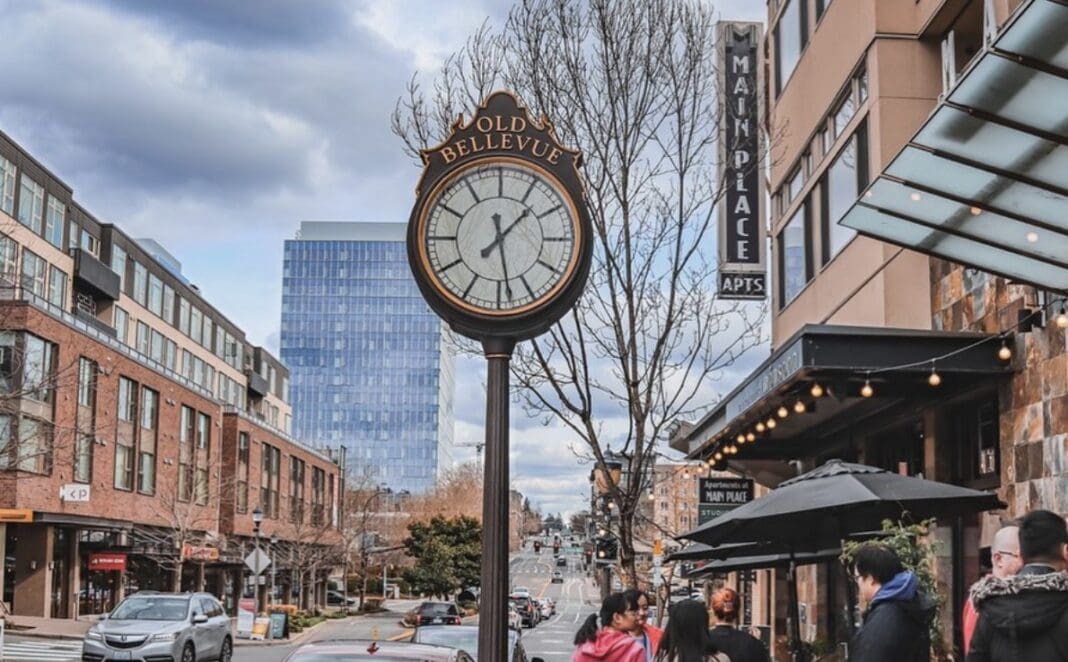
New rental data confirms that Bellevue remains the priciest city to rent in the Seattle metro area. One-bedroom apartments saw a 6.1% increase over the past month, reaching a median of $2,450, while two-bedroom units rose 2.4% to $3,030, keeping the city at the top of the region’s rental market.
Despite the recent monthly increase, rental prices in Bellevue are slightly lower than they were one year ago. In March 2025, the median price for a one-bedroom apartment was $2,580, and two-bedroom units averaged $3,210. Overall, rental costs were higher at that time last year, even though prices have climbed in the past month.
Looking further back, in March 2023, the median price for a one-bedroom apartment in Bellevue was $2,310 following a 1.3% monthly decline, while two-bedroom units averaged $2,730 after a 0.7% decrease. Compared with those figures, current rents remain significantly higher, reflecting overall growth in rental costs over the past two years.

The latest Zumper Seattle Metro Area Report analyzed active rental listings that entered the market last month. Listings were aggregated by city to calculate median asking rents and identify trends in the most and least expensive markets. According to the report, the median rent for a one-bedroom apartment in Washington state last month was $1,550.
In the metro area, Bellevue led the ranking of most expensive cities, followed by Redmond with a median one-bedroom rent of $2,230 and Kirkland at $2,160. At the other end of the spectrum, Wenatchee had the most affordable one-bedroom rent at $1,230, followed by Lakewood at $1,350 and Auburn at $1,400.
The report also highlighted cities with the largest rent declines. Over the past year, Auburn recorded the biggest drop at 11.9%, followed by Wenatchee with an 8.9% decrease and Lacey at 5.8%. Month-to-month declines were led by Puyallup at 3.7%, Lakewood at 3.6%, and Auburn at 2.8%.

Overall, Bellevue’s ranking as the most expensive rental market in the Seattle metro area continues, even as rents rise modestly in recent weeks and remain slightly below last year’s peak levels.